Opportunity is a simple but a very important concept because it allows you to make wiser decisions. The cost of doing something is also the cost of giving up the alternative.
Farmer Jim owns 100 acres of land. If he grows corn on the land than he cannot grow soybean on the land. At harvest time, if the price of corn is more profitable than soybean, he would earn more money. If the price of soybean is more profitable than corn, he will earn less money. The cost of choosing one option is to give up the opportunity to do something else.
David inherits $60,000. He can spend it on a brand new car he always wanted, pay off $60,000 student loan which charges 9% interest, use it to buy a tiny bachelor suite, or invest the money.
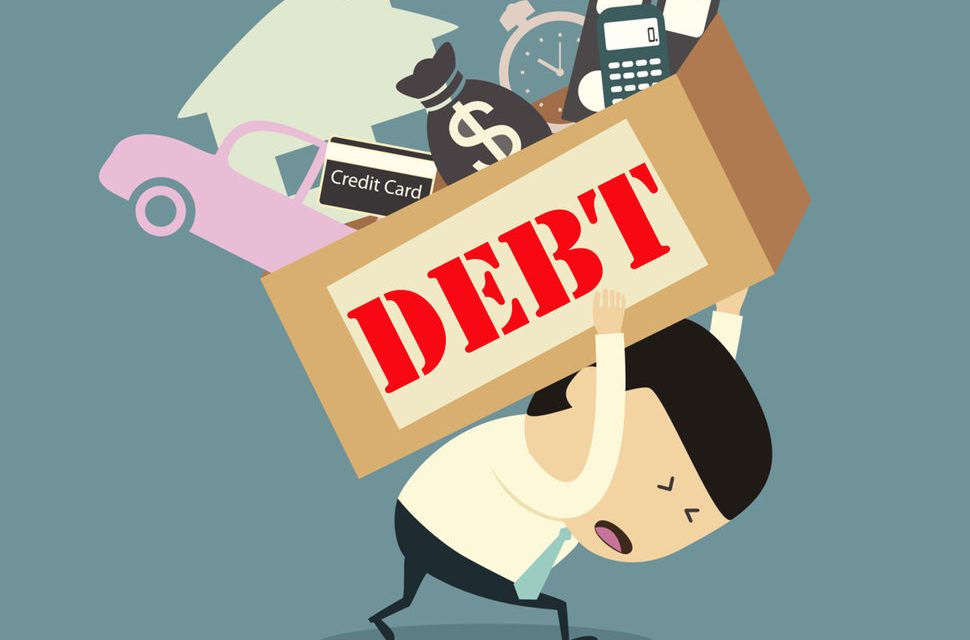
If he buys a car, he will still suffer under the debt. Car needs gas, insurance, maintenance, and parking. It will increase his liabilities and will lose value over time. In 10 years the car will be worth $6000 and cost him $30,000 in liabilities.
It would take him 10 years to pay off his loan and will cost him $31,207 in interest. If he pays off his student loan with inheritance money, he will save $31,207.
Dave pays $750 in rent. If he buys a bachelor suite, his expense will drop to $250 in condo fees and maintenance. Over 10 years he will save $60,000 and the value of his property might appreciate in value. He might decide to move to a bigger place and rent out the suite. Either way the asset will continue providing financial benefit to him.
The real cost of buying the car is:
- $54,000 in lost value
- + $30,000 in liabilities
- + highest opportunity cost $60,000 from suite purchase
- = $144,000 in liabilities
The real cost of paying of the loan is:
- highest opportunity cost $60,000 from suite purchase
- – benefit of paying off student loan, $31,207
- = $28,793 in lost opportunity
The real cost of purchasing the bachelor suite is:
- highest opportunity cost $31,207 in interest savings
- – benefit from suite purchase $60,000
- = -28,793 in lost opportunity
Negative lost opportunity means the transaction is favorable. The impulsive buyer would have chosen the car. The middle class son of hardworking family would have chosen to pay off the debt first. The son of a businessperson or investor would choose to buy the bachelor suite. We learn money management habits from our parents and often replicate their wisdom or mistakes. I would encourage you to calculate the opportunity cost of each option and then choose the most favorable option.
“As a rule, of thumb, cash flow generating assets and investment in yourself are the best uses of your money, because they will offer you the most benefits. An investment in yourself could be taking courses to learn something valuable, joining the gym to improve your health, or anything else that will bring a positive change or improvement in the quality of your life. “, Save Invest Compound by Nazim Rahman